

Most people think “CPF refund” is something you only deal with when you sell your property. You might hear stories of homeowners who sold at a profit, only to find their cash proceeds wiped out by a massive CPF refund bill.
Here’s the scary truth: a silent, invisible “interest bill” is growing in the background every single day on the CPF savings you’ve used for your home. You won’t get a bill until you sell, and by then, it’s too late.
But what if you could kill that compounding interest and make your CPF work for you instead? The strategy of making a voluntary CPF refund, funded by an Equity Term Loan (ETL), is one of the most underrated financial weapons in Singapore.
Let’s break down how this works.
Why a Voluntary CPF Refund is a Game-Changer
- Stop the Compounding Interest on Interest: When you use your CPF to pay for your property, that amount is essentially a loan to yourself. It incurs an invisible “interest bill” at the CPF Ordinary Account (OA) rate, currently at 2.5% per annum. Every year, this compounds, silently growing the debt you owe back to yourself. By refunding early, you cut off that compounding cost at the source.
- Boost Your Retirement Savings Now: The money you refund back into your CPF OA doesn’t just sit there. It immediately starts earning you that risk-free, government-guaranteed interest. If you transfer from your OA to your Special Account (SA), you could be looking at an even higher rate of up to 4% per annum. Over decades, that extra interest snowballs, giving your retirement funds a massive head start.
- Protect Yourself Against a Painful Sale Shortfall: When you sell your property, CPF takes back everything you withdrew, plus all that accrued interest, before you see a single cent in cash. If the market dips, this can wipe out your sale proceeds completely. By voluntarily refunding now, you protect your future cash position and avoid a negative sale scenario.
- Avoid Bank Loan Penalties: Here’s where the ETL magic comes in. A voluntary CPF refund is not considered a loan prepayment. This is a huge, perfectly legitimate loophole. It means you can funnel a lump sum of money back into your CPF without triggering the early repayment penalties most bank loans have.
How to Execute This Move
Step 1: Understand Your Numbers
Log in to your CPF account and check exactly how much you’ve withdrawn for housing and the total accrued interest you owe. That’s your “CPF housing debt” figure.
Step 2: Figure Out Your ETL Amount
If you have enough equity in your private property, you can apply for an Equity Term Loan (ETL) from a bank. This is essentially borrowing a lump sum against the value of your home. A typical ETL has a lower interest rate than most personal loans and is used for a variety of purposes—in this case, to refund your CPF.
Step 3: Refund Your CPF
The refund process is straightforward. You can use PayNow or a direct bank transfer to the CPF Board. Once the money is in your account, it immediately stops accruing interest owed and starts earning interest for you.
Step 4: Invest the Difference (Optional but powerful)
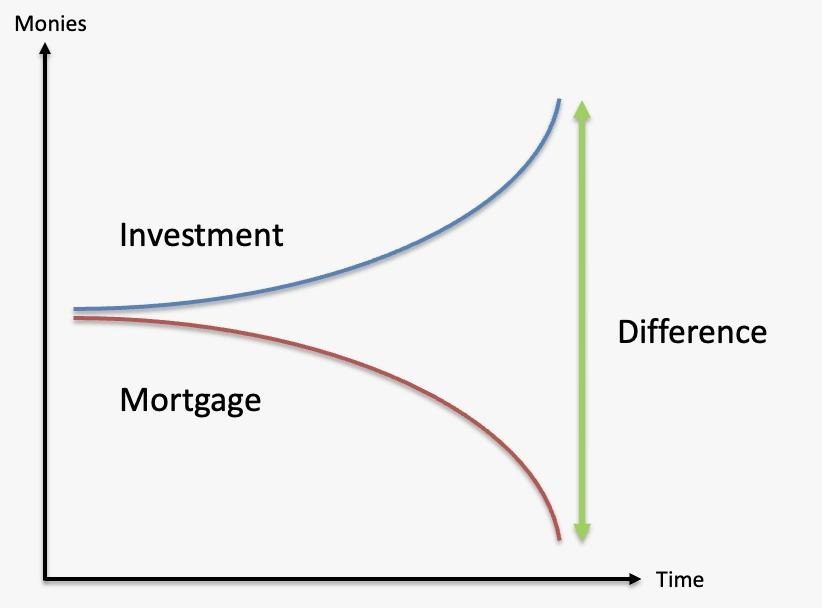
The magic happens when the ETL interest rate is lower than the CPF interest rate you earn. For example, if you get an ETL at 3% and park the funds in your SA earning 4%, you’re making a risk-free profit on the spread.
The Reality Check: Is This Strategy For You?
This move is not for everyone. If you’re already struggling with cash flow, taking on an ETL just to refund CPF might not be wise. But if you have stable income and you’re playing the long game, this strategy can be a game-changer.
| Pros | Cons |
|---|---|
| Protects cash proceeds from a future sale. | Adds another loan to your financial commitments. |
| Kills the compounding of CPF accrued interest. | Requires a steady income to service the ETL. |
| Supercharges your retirement funds with compound interest. | ETL requires private property as collateral. |
| Avoids loan prepayment penalties on your mortgage. | ETL interest rates can fluctuate. |
Final words from Author
Every month you wait, the meter is running. Think about it like a credit card bill silently growing in the background. You wouldn’t let that run for 30 years, so why let it happen with your CPF housing amount? Stop the leak now and let the compounding work for you instead of against you.